WHAT ARE THE SYMPTOMS OF A HEART ATTACK?
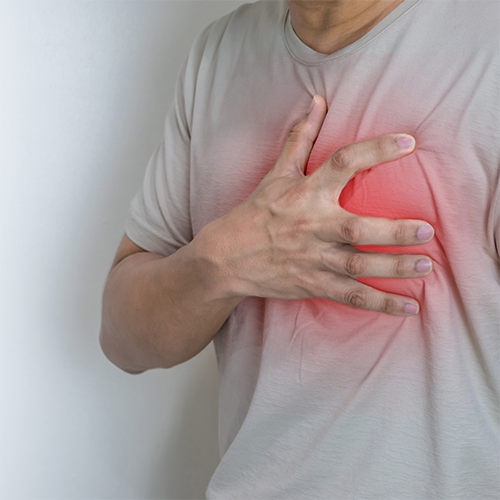
A heart attack is a serious cardiovascular event, medically referred to as myocardial infarction. A heart attack is a condition in which the blood supply to the heart muscle is blocked, usually as a result of a blockage of the coronary arteries. As a result of this blockage, the heart muscle does not receive oxygen and nutrients and the cells in the heart muscle die. This area of the heart muscle loses its function and a heart attack occurs. Symptoms of a heart attack can vary from person to person and can vary in severity. However, the following symptoms can usually indicate a heart attack:
Chest pain: The most common symptom of a heart attack is severe chest pain. This pain is felt in the center or left side of the chest and usually lasts longer than 5 minutes. The pain may be followed by a feeling of pressure or squeezing, burning, heaviness or pain.
Shortness of breath: During a heart attack, people may experience shortness of breath. Symptoms may include difficulty taking deep breaths, rapid breathing or a feeling of suffocation.
Sweating: During a heart attack, there may be intense sweating, cold sweat or sweating attacks.
Nausea and vomiting: Many people experience nausea and even vomiting during a heart attack.
Headache: Some people may experience severe headaches during a heart attack.
Arm, Neck, Jaw and Back Pain: Heart attack symptoms are often not limited to chest pain. It can also be felt in other parts of the body, such as the arms, neck, jaw and back.
Fatigue and Fatigue: During a heart attack, people may experience weakness, extreme fatigue and a feeling of weakness.
Anxiety and fear: During a heart attack, people often experience intense feelings of anxiety and fear.
Heart attacks are particularly common in people with risk factors (such as smoking, high blood pressure, diabetes, obesity, obesity, familial heart disease). If you are experiencing these symptoms or observe them in someone else, it is very important to seek emergency medical help immediately. A heart attack can be fatal if left untreated.
A heart attack is diagnosed through a series of tests and examinations by a doctor. This usually includes an electrocardiogram (ECG), blood tests and chest x-rays. Depending on the patient's condition, treatment may include medications and procedures such as angioplasty, stenting or bypass surgery.
To prevent a heart attack, it is important to lead a healthy lifestyle, exercise regularly, eat a balanced diet, do not smoke and avoid stress. Keeping risk factors under control and following doctor's advice can also help reduce the risk of heart attack.